Late-Night Satire, Free Speech, and a Political Backlash
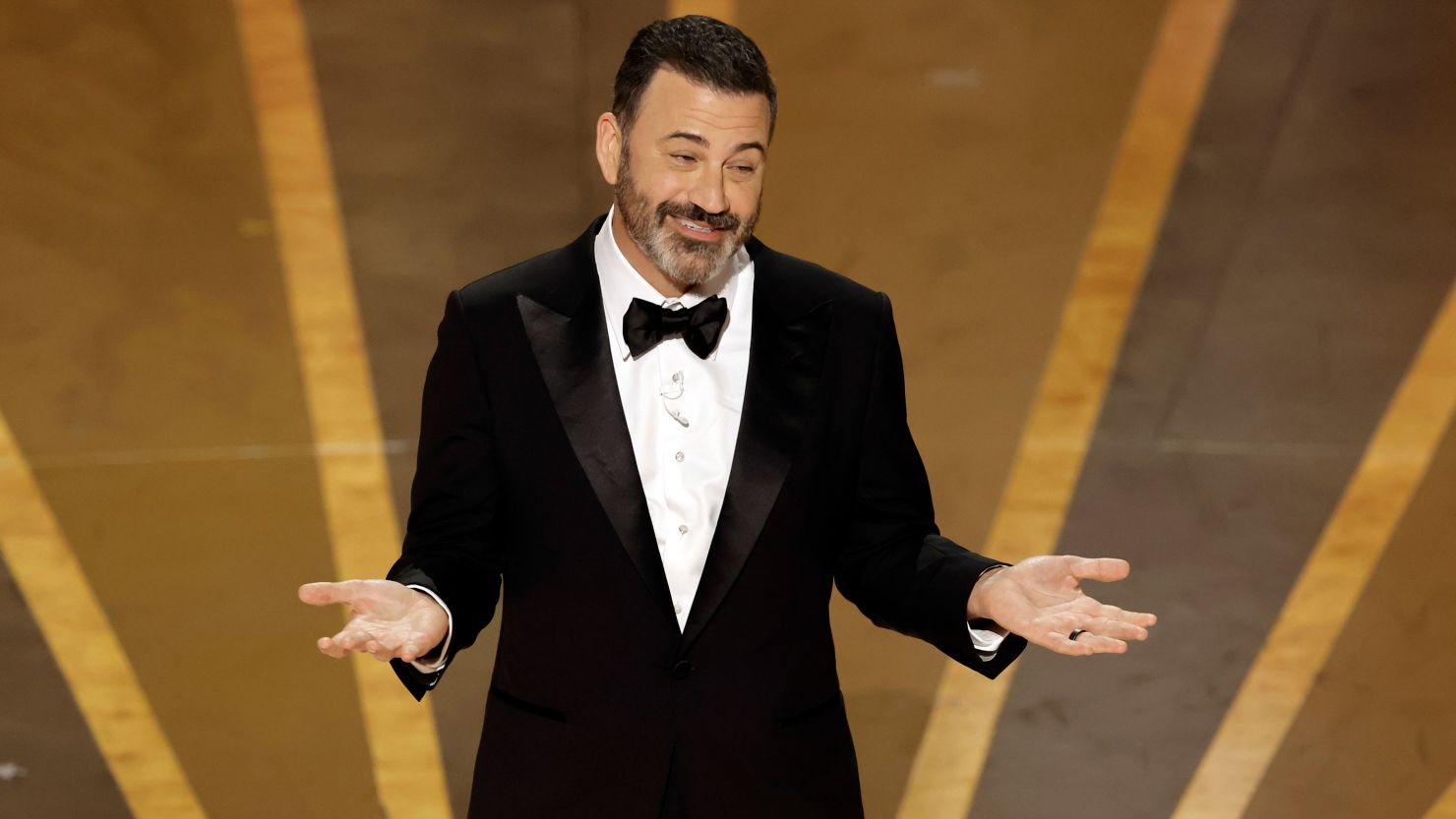
A recent episode of Jimmy Kimmel Live! has become the center of a growing political and media controversy, after a monologue criticizing the politicization of a violent crime triggered an extraordinary response from senior figures in the Trump administration and reignited debate over government pressure on broadcasters.
The sequence began in mid-September, following the murder of conservative activist Charlie Kirk. Before investigators had publicly identified a motive or ideological affiliation, online commentators and political figures rushed to assign blame. On his program, Mr. Kimmel criticized politicians across the spectrum for exploiting the tragedy before the facts were known, naming J.D. Vance among those he said had prematurely politicized the killing.
The segment itself was measured in tone. Mr. Kimmel did not accuse Mr. Vance or others of responsibility for the crime, but argued that turning an unresolved act of violence into a partisan weapon undermined public trust and compounded national division. Clips from the monologue circulated widely online, prompting intense reaction from both supporters and critics.
Within days, the response escalated beyond criticism. Brendan Carr, the chairman of the Federal Communications Commission and a Trump appointee, appeared on conservative media outlets and sharply condemned Mr. Kimmel’s remarks. In comments that alarmed press-freedom advocates, Mr. Carr suggested that ABC and its parent company, Disney, could face scrutiny over whether they were meeting their obligations to serve the “public interest” — language that many interpreted as a warning tied to the network’s broadcast licenses.
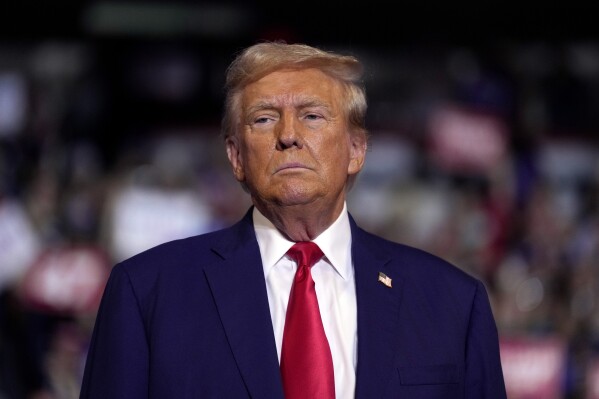
Several ABC affiliates soon announced they would temporarily preempt Jimmy Kimmel Live!, citing the monologue as offensive or inappropriate. Hours later, ABC confirmed that the show would be suspended for several days. Network executives said the decision reflected internal standards and affiliate concerns, not government direction. Still, multiple sources told national media outlets that the remarks by the FCC chairman were viewed internally as a serious regulatory threat.
Former President Donald Trump celebrated the suspension on his social media platform, Truth Social, calling it “great news” and criticizing Mr. Kimmel’s ratings and talent. The post intensified scrutiny of whether political pressure had played a role in the network’s decision.
At the center of the controversy is a charge of hypocrisy. Earlier this year, at the Munich Security Conference, Mr. Vance delivered a widely publicized speech accusing the Biden administration of suppressing dissent and promising that a Trump-Vance administration would do “precisely the opposite.” That clip resurfaced and spread rapidly after Mr. Kimmel’s suspension, juxtaposed with the FCC chairman’s threats and the temporary removal of a major network program.
Mr. Vance later dismissed the episode as overblown, arguing that no government action had been taken and that any programming changes were purely commercial decisions. But fact-checkers, including CNN’s Daniel Dale, noted that Mr. Vance omitted Mr. Carr’s explicit warnings to ABC and its affiliates, which went beyond casual commentary.
Free-speech organizations expressed concern that the episode set a dangerous precedent. Even without formal enforcement, they argued, the suggestion that broadcast licenses could be jeopardized for political speech risks chilling criticism of those in power.
By the time Jimmy Kimmel Live! returned to the air, the issue had grown beyond a single comedian or network. It had become a test of how resilient American media institutions remain when confronted with political retaliation — and whether promises of protecting free expression can withstand the pressures of power once criticism turns personal.