Claims of Congressional Panic Over Jack Smith ‘Uploading’ Trump Phone Records Are Unsubstantiated OCD pss
Claims of Congressional Panic Over Jack Smith ‘Uploading’ Trump Phone Records Are Unsubstantiated OCD
WASHINGTON, Jan. 23, 2026 — A viral social media narrative alleging widespread panic in Congress, with members scrambling to erase digital traces after former special counsel Jack Smith supposedly “uploaded” subpoenaed phone records revealing calls between President Donald J. Trump and lawmakers during efforts to delay the 2020 election certification, lacks credible evidence and appears to be a recycled exaggeration of old investigative details.
The story, which spread rapidly on platforms like X (formerly Twitter) and Facebook starting around Jan. 22, claims “sources” indicate the records expose “coordinated actions at the highest levels,” prompting “serious legal and political consequences.” Posts often frame it as “breaking” news, with dramatic language about Washington being “on edge.” However, a review of congressional records, Justice Department disclosures and recent testimony shows no such recent upload or ensuing chaos.
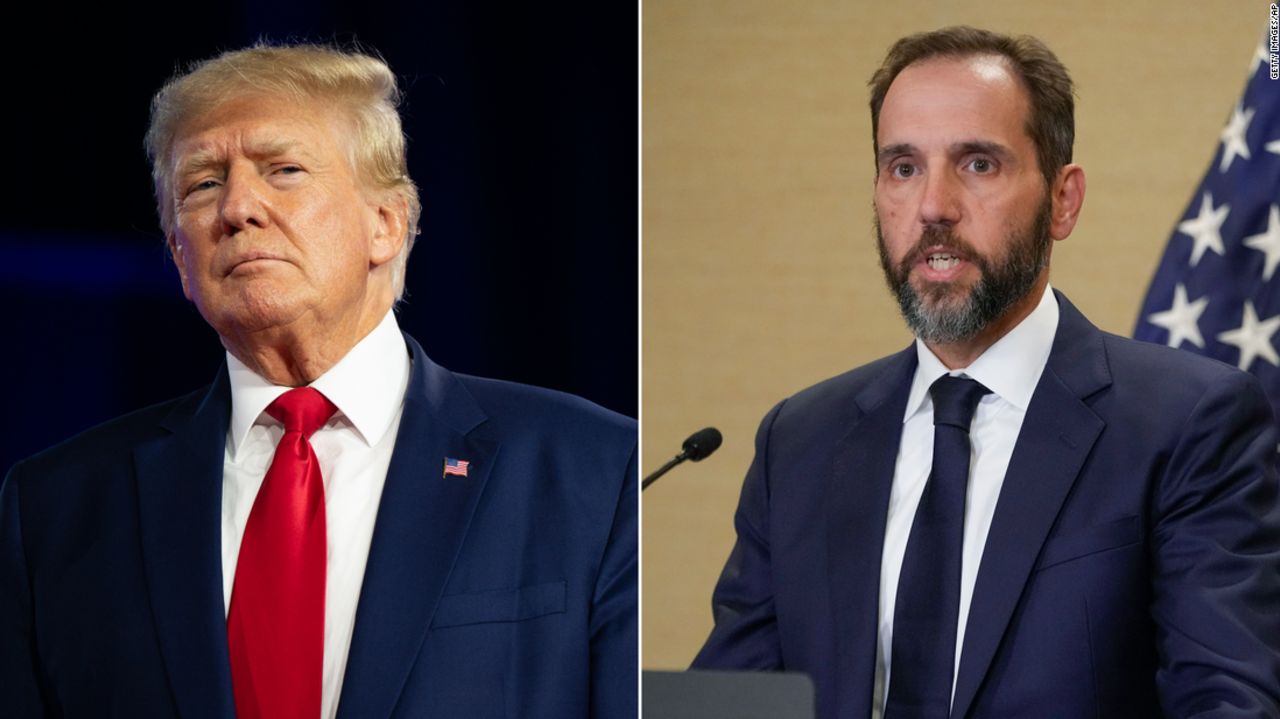
What is known stems from Smith’s investigation into Mr. Trump’s actions surrounding the 2020 election, including the Jan. 6, 2021, Capitol attack. As part of that probe, Smith’s team obtained “toll records” — metadata showing call timestamps and participants, but not content — for several Republican lawmakers who communicated with Mr. Trump or the White House during that period. These subpoenas, issued in 2021, were secured with court-approved non-disclosure orders to prevent potential obstruction. Affected lawmakers included then-House Speaker Kevin McCarthy and senators like Bill Hagerty and Marsha Blackburn of Tennessee.
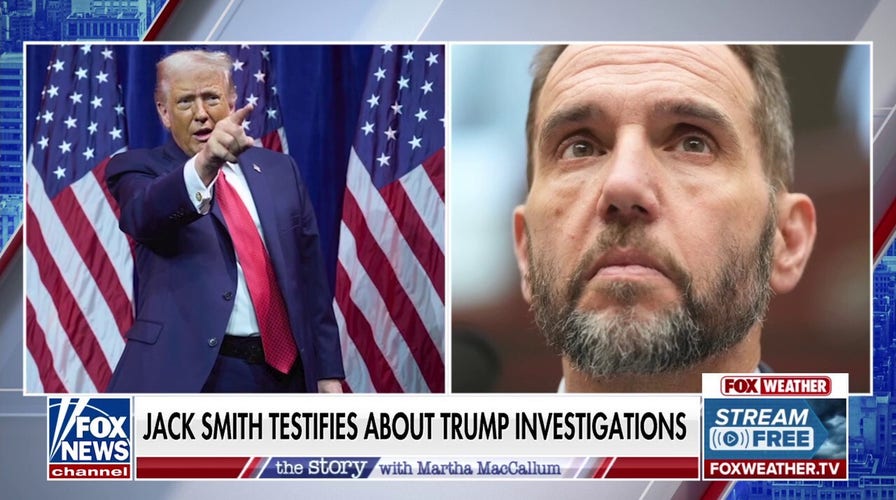
The existence of these subpoenas became public in October 2025, when Senate Judiciary Committee Chairman Chuck Grassley (R-Iowa) released records from the probe, codenamed “Arctic Frost.” Smith addressed the issue in a closed-door House Judiciary Committee deposition on Dec. 17, 2025, and publicly on Jan. 22, 2026, explaining the records were needed to build a timeline of Mr. Trump’s alleged scheme to delay certification. “President Trump and his associates tried to call members of Congress in furtherance of their criminal scheme,” Smith testified.

Republicans criticized the subpoenas as overreach, accusing Smith of spying on political opponents. Smith defended the actions as standard investigative practice, noting a judge approved the non-disclosure to guard against obstruction. The cases were dismissed after Mr. Trump’s 2024 victory, per Justice Department policy against prosecuting a sitting president.
No reports from congressional sources, the Justice Department or major media indicate a recent “upload” by Smith or resulting panic. Social media discussions, including posts repeating the query’s text, show no new developments beyond Smith’s testimony. Instead, focus has been on Smith’s public hearing, where he reiterated having “zero regrets” about the probes.
Fact-checkers have flagged similar stories as misinformation, often amplifying old details for clicks. The White House and House Judiciary Committee did not respond to requests for comment on the claims.
While the subpoenas raised legitimate privacy concerns and fueled partisan debate, the current narrative of a fresh crisis seems manufactured. As midterm elections approach, such stories may intensify scrutiny of past investigations, but without evidence of new actions, they remain speculative.